





Cleaning sprays or cleaning wipes? When it's time to clean up a mess, which do you reach for: a ready-to-use cleaning wipe or a traditional cleaning spray? Both have their advantages, but knowing how they differ can help you clean more effectively, safely, and with less environmental impact.
The Key Differences: Sprays (and a Towel) vs. Pre-Saturated Wipes
Cleaning sprays offer more control. You choose how much cleaning solution to use and exactly where to apply it.
Pre-saturated wipes, on the other hand, are designed for convenience. They're ready to use straight from the package and work well for small, everyday messes. However, wipes may dry out before you've finished cleaning, tear on rough surfaces, or make it difficult to clean larger areas evenly. And once you're done, they need to be thrown away.
When To Choose a Cleaning Spray
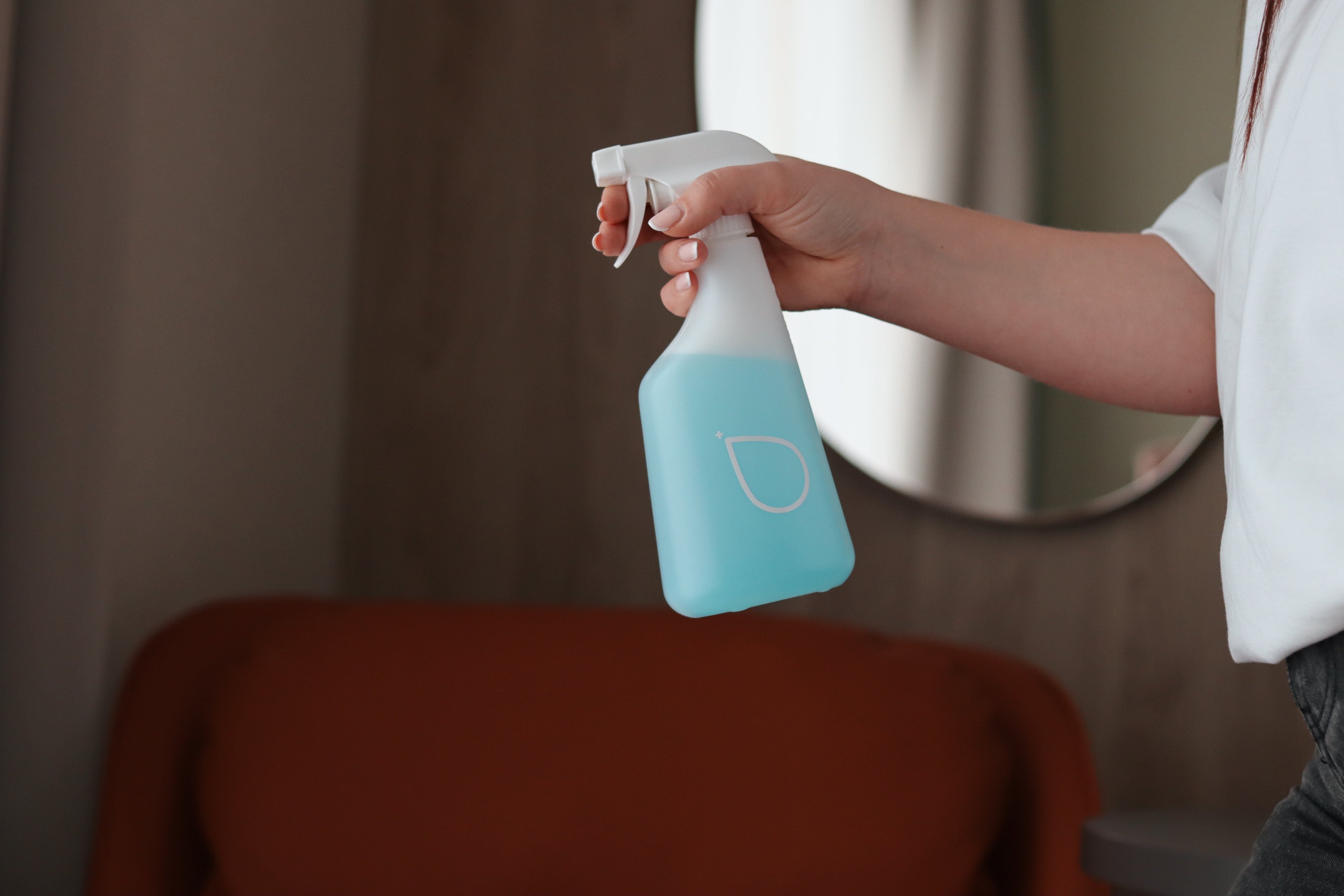
Cleaning sprays are often the better choice when you need flexibility, consistent coverage, and control over how much product you use. They're well suited for everyday cleaning without the need for disposable wipes.
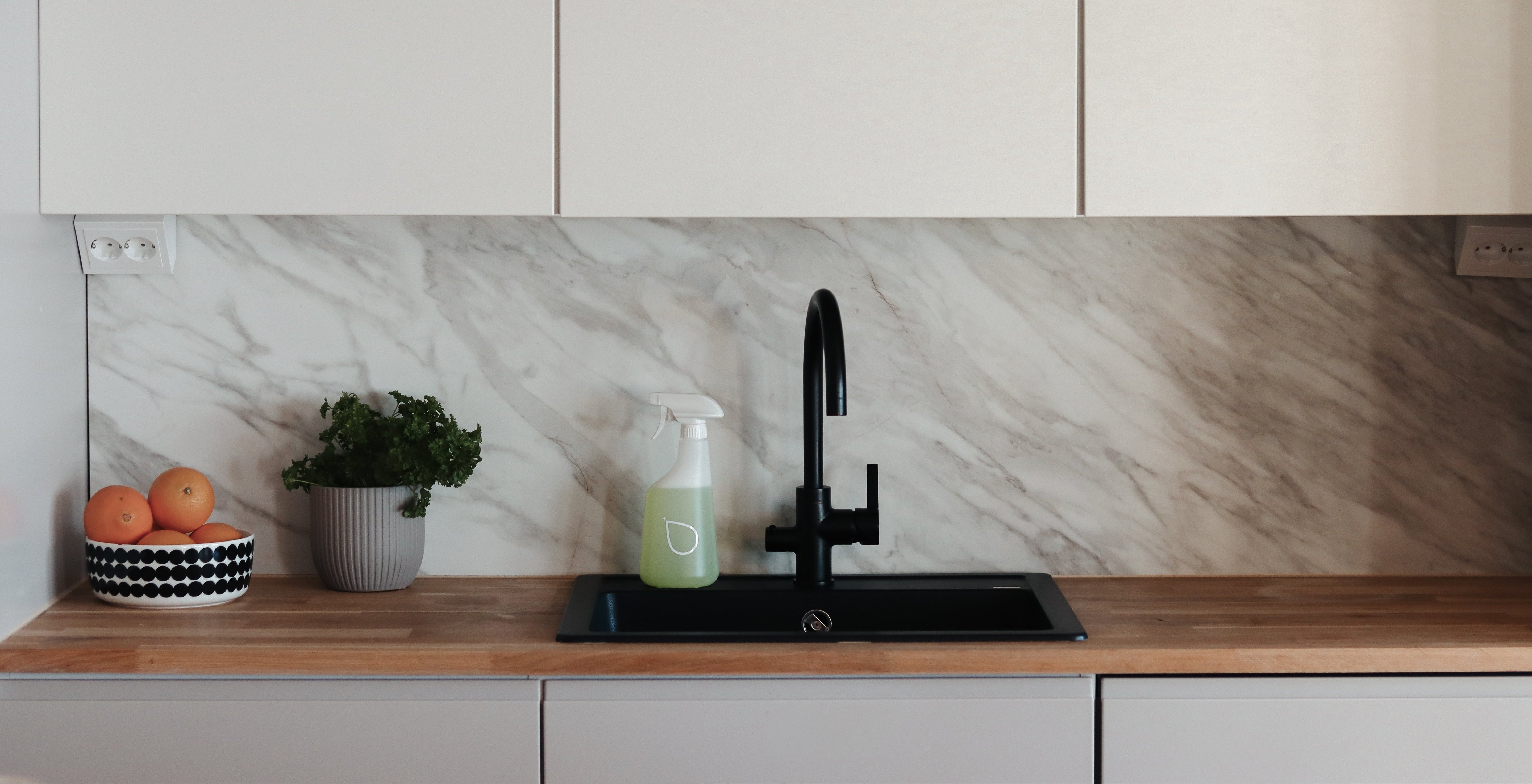
Sprays are particularly effective on flat, frequently touched surfaces such as kitchen countertops, dining tables, desks, and bathroom sinks. Unlike a single cleaning wipe, which contains a limited amount of moisture, a spray allows you to clean an entire surface without having to stop halfway through.
Being able to control how much cleaning solution you apply also helps prevent unnecessary product use. You can use just enough to tackle spills, smudges, and fingerprints while avoiding excess residue or streaks.
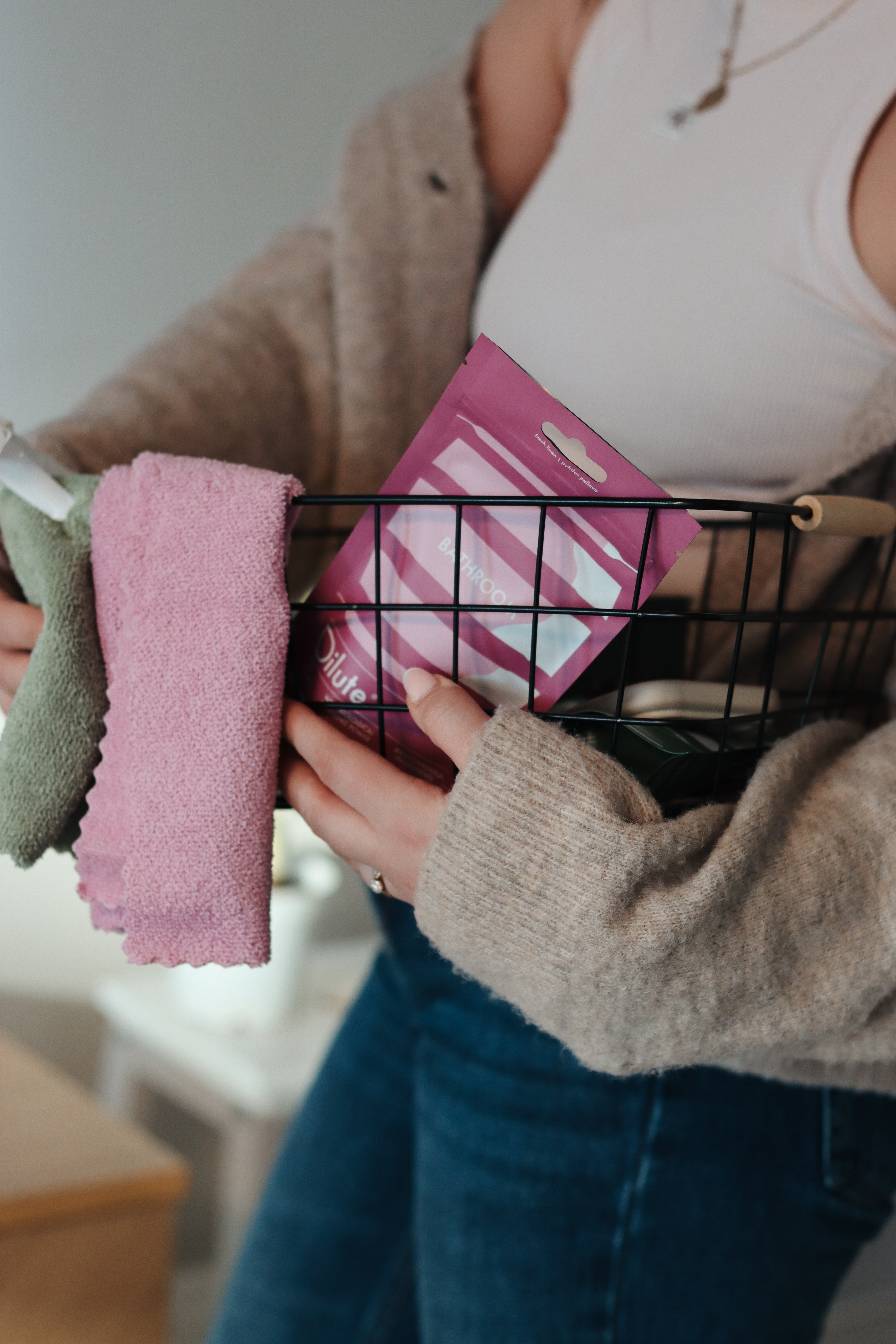
Another important benefit? Cleaning sprays work perfectly with reusable cleaning cloths. These can be washed and used again and again, helping reduce the amount of single-use waste produced during everyday cleaning.
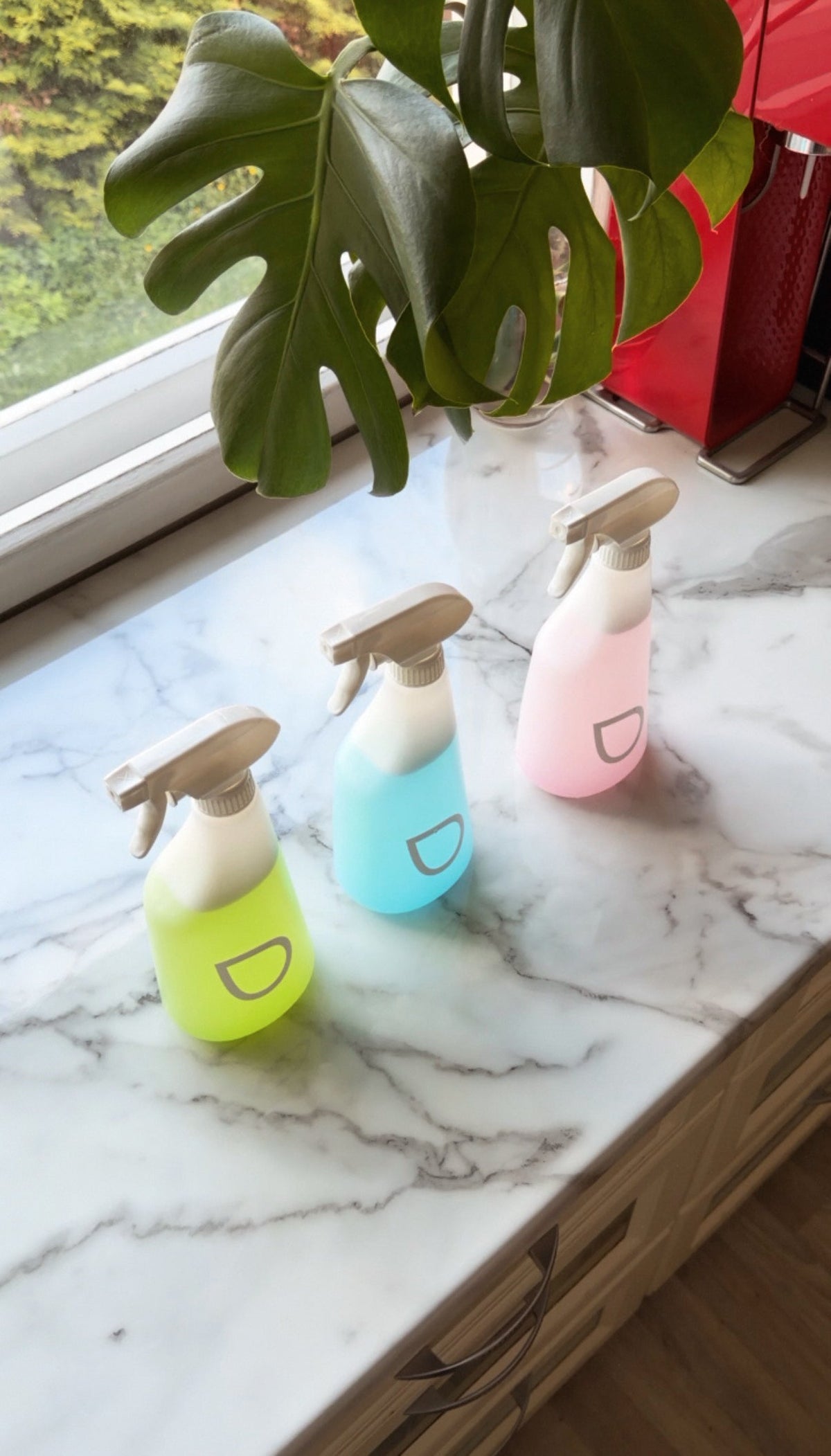
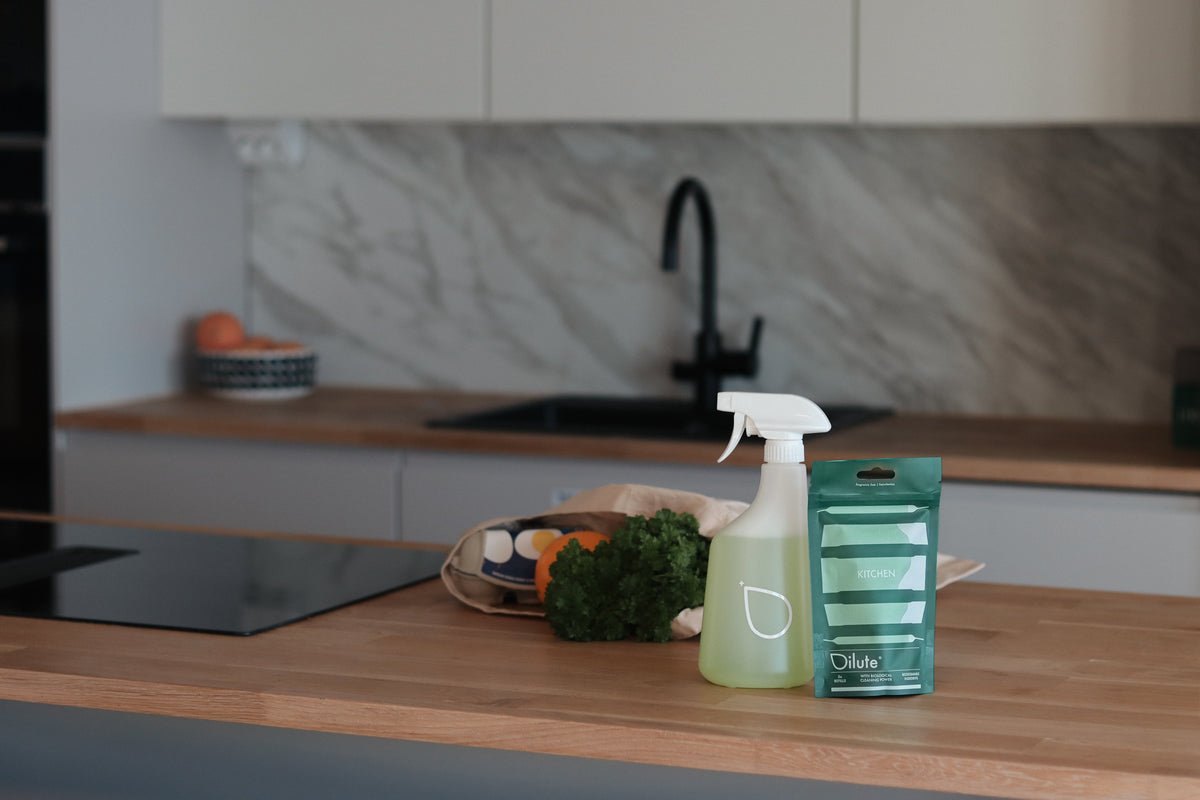
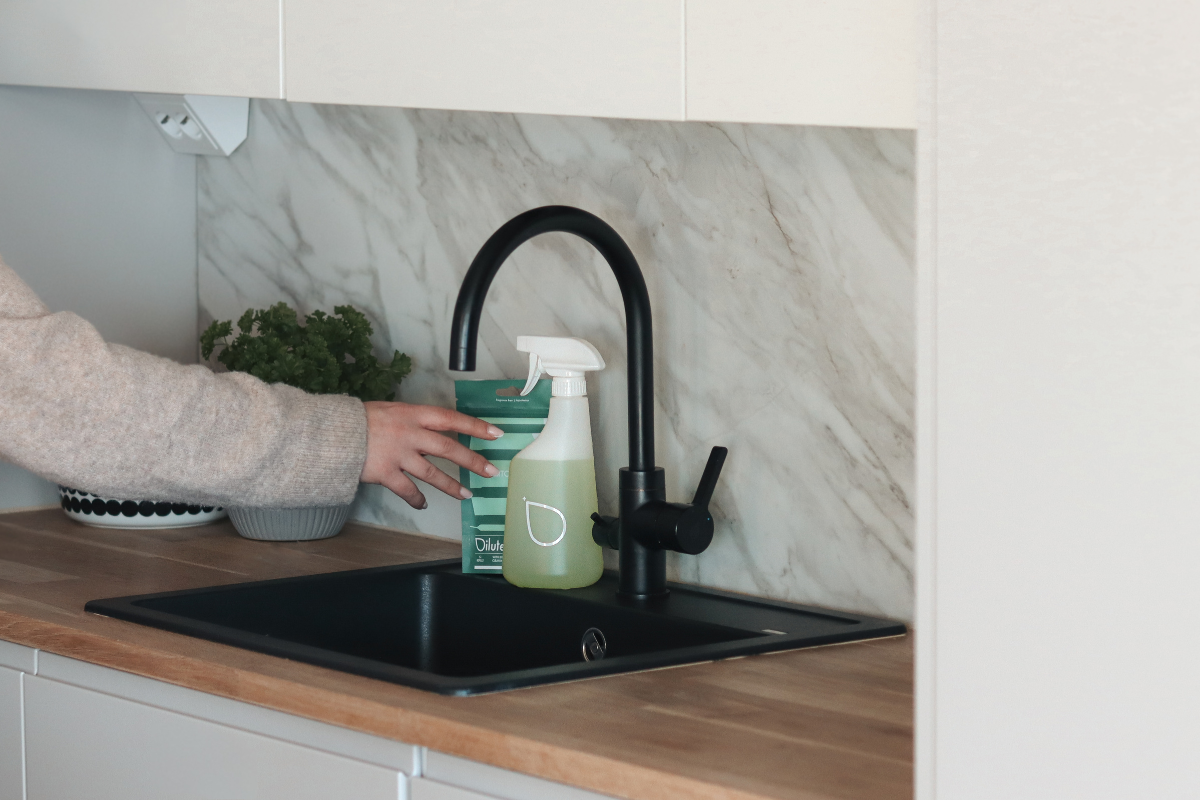
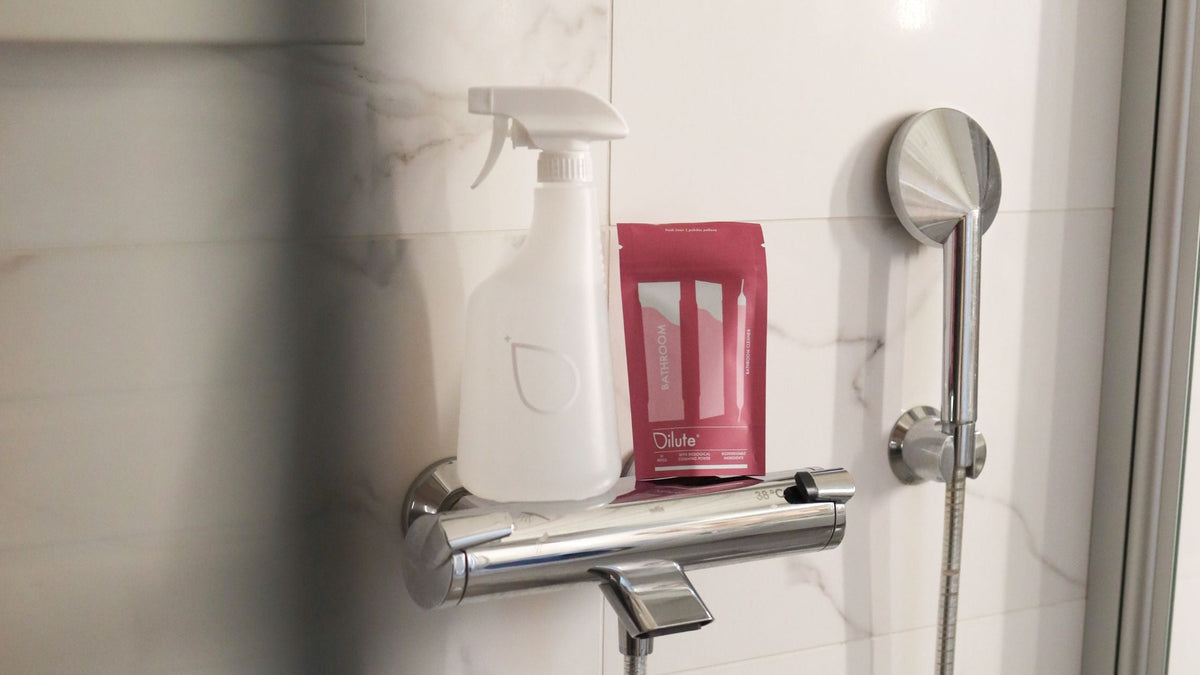
Dilute's eco-friendly household cleaning sprays are designed to work with reusable cloths. The dissolvable sachets eliminate the need for repeated plastic bottles while still delivering effective cleaning, making it easy to clean frequently without constantly repurchasing wasteful, single-use products.
Environmental Impact of Single-Use Wipes
Beyond convenience, the environmental impact of cleaning products is an important consideration. The difference between single-use wipes and reusable spray systems adds up quickly over time.
Most pre-saturated wipes are designed for single use and do not biodegrade. Once used, they’re discarded, contributing to landfill waste with every mess. Many also contain plastic-based fibers that cannot be recycled. As these materials break down, they contribute to microplastic pollution in soil and water.
Cleaning sprays, especially those in reusable bottles, create far less waste. One refillable spray bottle can replace hundreds of disposable wipes over its lifetime, and reusable cloths or towels can be washed and reused many times, eliminating the steady stream of single-use products. Dilute’s refillable spray cleaners further reduce waste by removing disposable bottles and unnecessary packaging from the cleaning routine.
4 Tips for Cleaning with Cleaning Sprays
Best practices for coverage, wiping technique, and drying
- Spray evenly across the surface to ensure consistent coverage. Use a reusable cloth to wipe in steady, overlapping motions so all areas are cleaned without spreading dirt around.
- For textured or heavily soiled surfaces, allow the cleaning solution to sit briefly before wiping to help loosen grime. Once clean, dry the surface with a clean section of the cloth or a separate towel to prevent streaks and leave a smooth finish.
- To keep reusable cloths or towels effective, rinse or wash them after each use to prevent residue buildup. Machine wash regularly using a mild detergent, and avoid fabric softeners, which can reduce absorbency.
- Rotating multiple cloths helps extend their lifespan and ensures you always have a clean cloth or towel ready. With proper care, reusable cloths and towels can support a more sustainable cleaning system for years.

A Smarter Way to Clean
Both cleaning sprays and cleaning wipes can have a place in your routine, but when you look at control, coverage, and waste, spray cleaners paired with reusable cloths offer a more flexible and sustainable approach for everyday cleaning.
By choosing tools that work efficiently and integrate into a reusable system, cleaning becomes less about quick fixes and more about establishing habits that are effective, reduce waste, and are easier to maintain day after day.
Sources
- European Commission: Single-use plastic marking requirements– muovia sisältävien kosteuspyyhkeiden merkintävaatimukset. European Commission
- ScienceDirect: Disposable wet-wipes as potential source of pollution (2025)– kosteuspyyhkeiden kuitumateriaalit ja muovipohjaiset ainesosat. ScienceDirect
- BioResources: Flushed but not forgotten (2023)– kertakäyttöpyyhkeiden ympäristövaikutukset ja jäteongelmat. bioresources.cnr.ncsu.edu
- CDC: Cleaning and Disinfecting – puhdistamisen ja desinfioinnin erot.


Share:
Cleaning Ingredients to Avoid at Home