


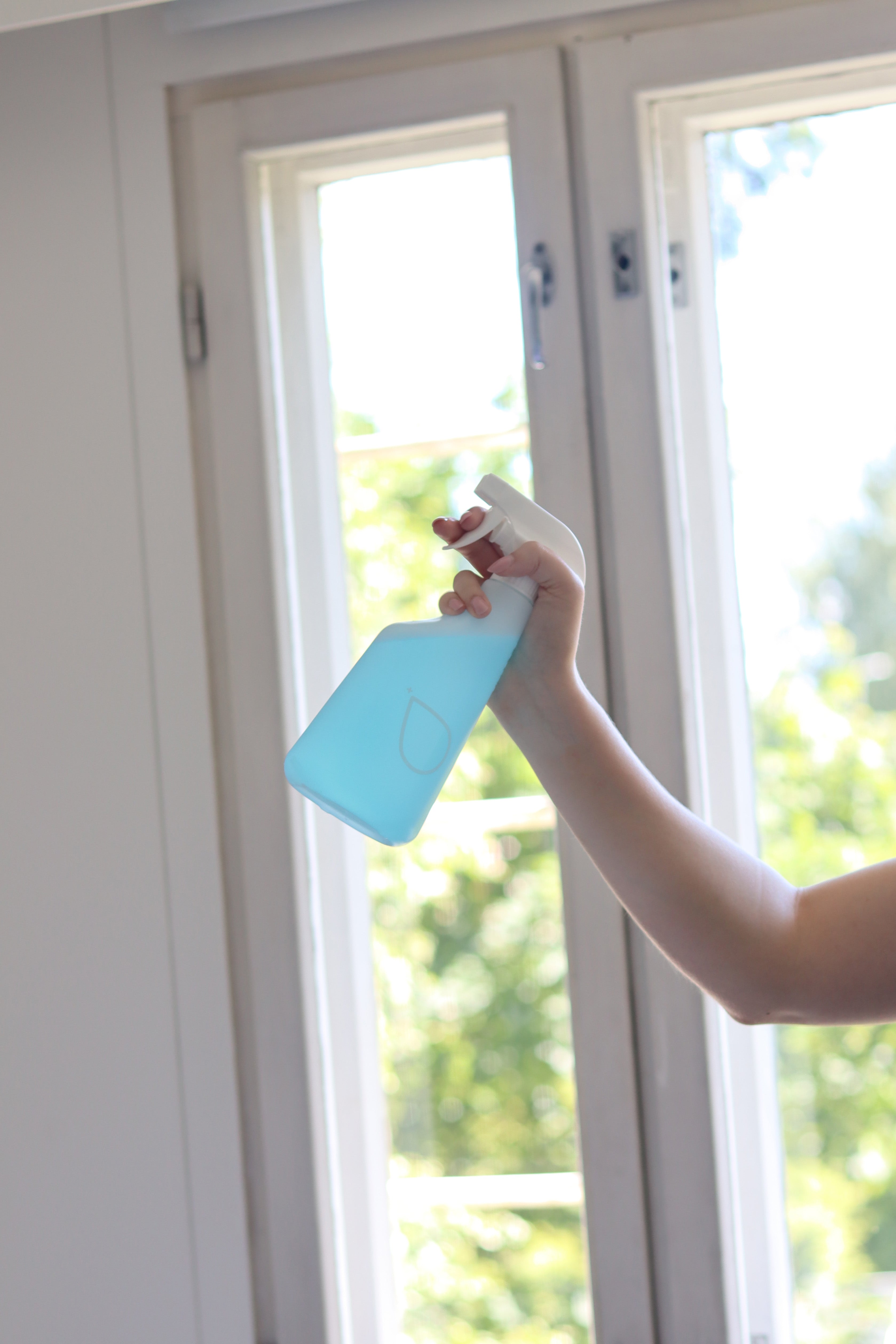
We all know that diet, exercise, and sleep are important for our health, but what about the everyday products we use around the home? In this blog, we explain why switching to non-toxic cleaning products can be one of the most impactful and often overlooked ways to support hormone health, gut microbiome, and skin.
Why your cleaning products might be harming your health
For a long time, health was seen primarily through diet, exercise, and sleep. Recently, however, there has been growing recognition that our body’s toxic load—that is, the chemicals we are exposed to daily—also plays a significant role.
This does not mean that everything needs to change at once. The goal is to make simple, informed choices that can have a powerful long-term impact.
What do traditional cleaning products contain?
Many common cleaning products, especially supermarket staples, contain strong chemicals such as ammonia, bleach, phthalates, dioxins, and PFAS compounds. While small amounts are considered safe, the real concern lies in chronic exposure. These chemicals accumulate in our homes, bodies, and the environment.

Hormones and hormone-disrupting chemicals
Some of these chemicals are known as endocrine disruptors, meaning they can interfere with the body’s hormone system. Examples include phthalates, PFAS compounds, and dioxins. Studies have linked them to:
- Hormonal imbalances
- Irregular menstrual cycles
- Fertility issues
- Pregnancy complications
- Endometriosis
Endocrine disruptors can also alter gene expression in ways that increase hormonal imbalance and may worsen symptoms such as those experienced during menopause.
Dilute’s non-toxic cleaning products do not contain known endocrine disruptors such as phthalates, parabens, or triclosan. Their formulations are based on natural ingredients, lightly scented with essential oils, and completely free from synthetic fragrances.
Gut microbiome and cleaning products
The gut microbiome affects many aspects of health, including mood, immune function, digestion, sleep, and skin condition. Research shows that harmful chemicals found in everyday cleaning sprays, surface wipes, and dish soaps can enter the body through inhalation, skin absorption, or residues left on dishes. This can disrupt gut health.
A balanced microbiome with beneficial bacteria is essential for long-term wellbeing. Using non-toxic cleaning products is an easy way to reduce these risks at home.

Skin sensitivities, eczema, asthma & more
There’s also increasing evidence that prolonged exposure to harsh cleaning chemicals can trigger or worsen atopic conditions, such as:
- Eczema
- Asthma
- Rhinitis
These effects may be linked to gut health too. Since around 70% of your immune system is housed in your gut, any disruption to your microbiome can throw your immune function out of balance, potentially exacerbating inflammation and sensitivities.
Non-toxic formulations are central to Dilute’s brand philosophy. The founders of Dilute were inspired to create the products while searching for eco-friendly, gentle, and safe home care solutions for their own homes.

So, what can you do?
The good news is you can take control of your toxic load. Here are a few small changes that can make a big difference.
1. Switch to non-toxic cleaning products
Dilute’s products are bio-based, free from synthetic fragrances, and lightly scented with essential oils, with some options available completely fragrance-free. They do not contain phthalates, parabens, triclosan, or other known endocrine disruptors, making them gentle on both skin and the respiratory system. The refillable bottles help reduce plastic waste and make everyday cleaning more sustainable. The products are versatile and suitable for cleaning kitchens, bathrooms, and other areas of the home. Because they are made from natural, bio-based ingredients, they break down quickly in the environment and do not accumulate in indoor air as harmful chemicals, supporting the long-term health of both your home and your family.
2. Avoid synthetic candles
Choose candles made from natural waxes such as beeswax, soy wax, or rapeseed wax. They burn cleaner than paraffin candles, which can release particles and compounds into indoor air when fossil-based paraffin burns. Alternatively, you can use a diffuser with pure essential oils.
3. Ditch cling film and foil
Store food in airtight glass containers. A popular option is beeswax wraps, which soften slightly when warmed and are great for storing bread, cheese, vegetables, and fruits. Stainless steel containers are a durable choice, especially for cold foods. Glass jars and lidded glass bowls are also excellent for salads, sauces, and soups. BPA-free silicone bags are convenient for freezing and carrying snacks, while cotton cloth bags are ideal for storing bread, vegetables, and nuts.
4. Don’t microwave food in plastic
Opt for microwave-safe glass containers. You can also heat food in porcelain or ceramic dishes, as long as they are microwave-safe and do not have any metallic decorations.
5. Limit plastic bottled drinks
Whenever possible, choose cartons or glass packaging. Stainless steel bottles are also a great option, as they are durable and help reduce the need for single-use plastic.
Final thought from us
Whilst this can all sound a little scary, remember that being aware and educated is incredibly powerful when it comes to managing our health. It’s also comforting to remember that these outcomes vary drastically between individuals, depending on your chemical exposure, general wellbeing, genes, diet and lifestyle.
Sources:
Liang, Y., Lu, Q., Chen, M., Zhao, X., Chu, C., Zhang, C., ... & Lash, G. E. (2025). Impact of endocrine disrupting chemicals (EDCs) on epigenetic regulation in the uterus: a narrative review. Reproductive Biology and Endocrinology, 23(1), 80.
Teffera, M., Veith, A. C., Ronnekleiv-Kelly, S., Bradfield, C. A., Nikodemova, M., Tussing-Humphreys, L., & Malecki, K. (2024). Diverse mechanisms by which chemical pollutant exposure alters gut microbiota metabolism and inflammation. Environment international, 190, 108805.
Sen, P., Fan, Y., Schlezinger, J. J., Ehrlich, S. D., Webster, T. F., Hyötyläinen, T., ... & Orešič, M. (2024). Exposure to environmental toxicants is associated with gut microbiome dysbiosis, insulin resistance and obesity. Environment international, 186, 108569.
Lindell, A. E., Grießhammer, A., Michaelis, L., Papagiannidis, D., Ochner, H., Kamrad, S., ... & Patil, K. R. (2024). Extensive PFAS accumulation by human gut bacteria. BioRxiv, 2024-09. Salonen, H., Salthammer, T., Castagnoli, E., Täubel, M., & Morawska, L. (2024). Cleaning products: Their chemistry, effects on indoor air quality, and implications for human health. Environment International, 190, 108836.
What are non-toxic cleaning products and why should I use them?
Non-toxic cleaning products are free from harsh chemicals like bleach, phthalates, and synthetic fragrances. They're often made with naturally derived ingredients and essential oils. Choosing non-toxic products helps reduce your exposure to endocrine disruptors, supports gut health, and is gentler on sensitive skin, making them a safer choice for the whole family.
How do traditional cleaning products affect hormone health?
Many conventional cleaning products contain endocrine disrupting chemicals like phthalates, dioxins and PFAS. These hormone disruptors can interfere with the endocrine system and may contribute to fertility struggles, menstrual irregularities, and hormonal imbalances. Switching to chemical-free cleaning products can help reduce your overall toxic load.
Can cleaning products impact gut health and the microbiome?
Yes - research shows that toxic chemicals in cleaning sprays, dish soaps and surface cleaners can affect the gut microbiome when inhaled, absorbed through the skin, or ingested via residue on plates. A disrupted gut microbiota can impact digestion, immunity, sleep and even mental wellbeing. Choosing non-toxic cleaning supplies helps support better gut health.
Are non-toxic cleaning products better for sensitive skin or eczema?
Absolutely. Natural, non-toxic cleaners are free from harsh irritants and synthetic fragrances that can trigger eczema, asthma and other atopic conditions. For those with sensitive skin or allergies, switching to gentle, plant-based alternatives can make a big difference.
What are the best ways to reduce toxic load at home?
To reduce your toxic load, start by swapping to non-toxic cleaning products, avoid synthetic air fresheners and candles, store food in glass containers instead of plastic, and avoid microwaving food in plastic. These simple steps can significantly lower your exposure to hormone-disrupting chemicals and support overall health.

Share:
Miksi kalkki kertyy kylpyhuoneeseen ja miten sen voi oikeasti ehkäistä
How to get your kids involved with cleaning at every age