

Chlorine bleach is one of the most recognizable cleaning agents out there – found under kitchen sinks, in laundry rooms, and in countless household products. Its reputation as a powerful disinfectant makes it a go-to solution for everything from bathroom scrubbing to laundry brightening. But behind its cleaning bleach harmful to use in the house? And if so, why do so many brands, including Dilute, leave it out entirely?
In this article, we'll explore what chlorine bleach is, how it works, and some of the common issues with its use in household cleaners. We'll also share why chlorine bleach-free alternatives can be just as effective, and far more sustainable.
Is Chlorine Bleach Harmful?
What is Chlorine Bleach and How Does It Work?
Chlorine bleach typically refers to a solution of sodium hypochlorite diluted in water. It's a powerful chemical that disinfects by oxidizing molecules in bacteria and viruses, essentially breaking them apart at the molecular level. This process makes bleach incredibly effective at sanitizing surfaces and removing stains. However, the same chemical strength that allows it to kill germs also makes it dangerous to use in the house – especially when not handled properly.
Common Health and Environmental Concerns
Bleach exposure has been linked to a number of health concerns, particularly with regular or prolonged use. It can irritate the skin, eyes, and respiratory system, and may be especially harmful when mixed with other common household cleaners like ammonia or vinegar. Interactions that can create toxic chlorine gas. On the environmental side, bleach can contribute to water pollution when washed down drains, with residual chemicals impacting aquatic life and ecosystems.
Health Risks of Using Bleach at Home
Effects on Skin, Eyes, and Lungs
Direct contact with bleach can cause immediate irritation. Even when diluted, it can lead to redness, burning sensations, and even chemical burns on your skin. If bleach splashes into your eyes, it can cause severe damage. Inhaling its fumes, even in small amounts, can irritate your lungs and trigger symptoms like coughing, shortness of breath, or chest tightness. Over time, repeated exposure may increase the risk of chronic respiratory conditions, especially in poorly ventilated areas.
Risks for Vulnerable Groups
Children, pets, and individuals with asthma or allergies are especially sensitive to bleach exposure. Young children may come into contact with recently cleaned surfaces, accidentally ingest residue, or be exposed to fumes in enclosed spaces. For people with asthma or other respiratory conditions, even trace amounts of bleach fumes can cause flare-ups or persistent breathing problems. Given these risks, it's worth asking: is cleaning with bleach actually dangerous, especially when safer alternatives exist?
Environmental Impact of Chlorine Bleach-Based Cleaning Products
Chlorine Bleach's Contribution to Water Pollution
When bleach is rinsed down the drain, its chemical compounds don't just vanish. Instead, they tarvel into our wastewater systems and can eventually reach rivers, lakes, and oceans. There, they may react with other organic substances to form harmful byproducts like dioxins and furans. These are persistent pollutants that accumulate in the food chain and can cause long-term damage to aquatic life.
Impact on Indoor Air Quality and Ecosystems
Volatile organic compounds (VOCs) released from bleach contribute to indoor air pollution, meaning your indoor air quality gets worse. When you use bleach in enclosed spaces, these fumes linger, reducing air quality and creating potentially hazardous environments for both humans and pets. The production and disposal of bleach also carry significant environmental footprints. Think about all the energy that goes into producing it, not to mention the plastic bottles that often end up in landfills.
A Safer Alternative: Cleaning Without Chlorine Bleach
Dilute's Chlorine Bleach-Free Cleaning Solutions

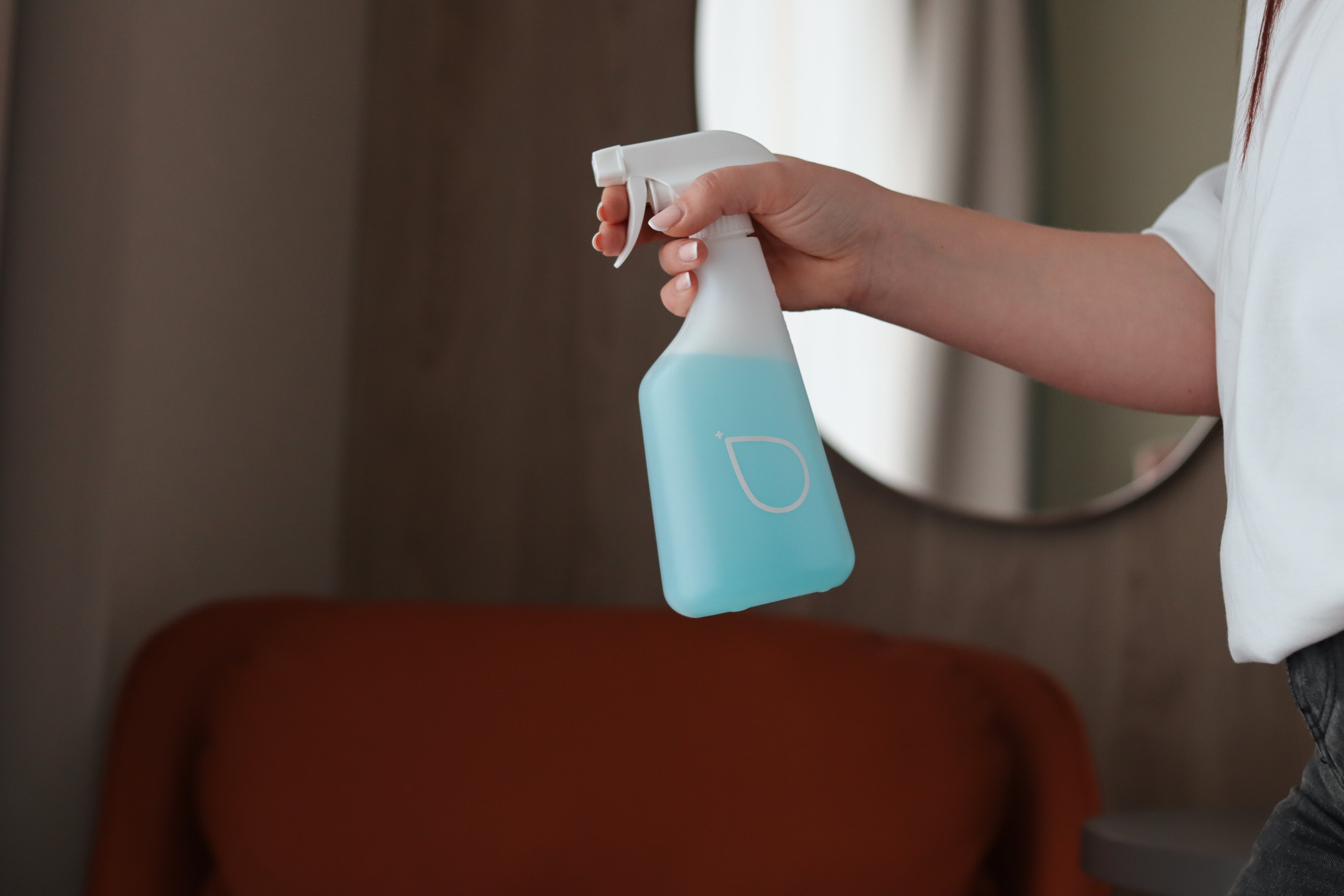
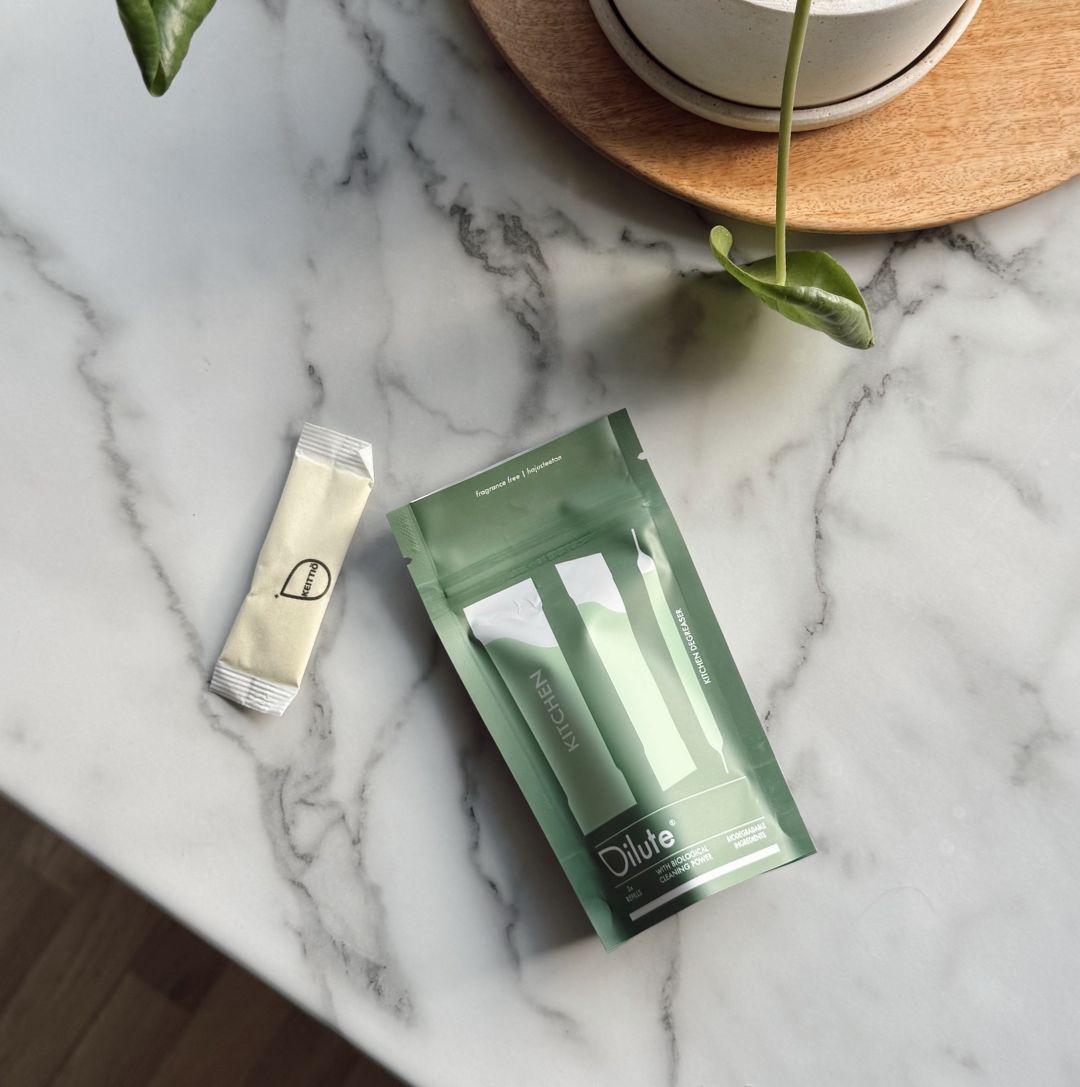
At Dilute, we intentionally leave chlorine bleach out of all our products. Our cleaners, from All-Purpose to Bathroom and Kitchen, are designed to be just as effective without relying on harsh, polluting chemicals. Instead, we use science-backed, biodegradable ingredients that get the job done without posing a risk to your health or the environment. And we deliver them in refillable formats that eliminate single-use plastic altogether.
If you're looking for chlorine bleach alternatives, we’ve got you covered with safe, sustainable solutions that work.
Benefits of Switching to Eco-Friendly Cleaners
Switching to eco-friendly cleaning products offers a number of benefits beyond ditching bleach. First, you're protecting your household, especially little ones, pets, and those with respiratory sensitivities, from the dangers of chemical exposure. Second, with every clean, you're making a positive difference for the environment. Our products are desinged with the planet in mind, using biodegradable ingredients, minimal packaging, and no unnecessary toxins.
Need help getting started? Check out our guides to chlorine bleach alternatives and bleach alternatives for toilet cleaning to make an easy, effective switch today.
The Bottom Line
Is chlorine bleach harmful to have around the house? In short, yes. While it may be powerful at killing germs, the risks it poses to your health and the environment often outweight the benefits. Exposure can cause skin, eye, and respiratory irritation, particularly for vulnerable groups. And once it enters the environment, it contributes to water pollution and air quality issues.
Fortunately, it's never been easier to clean without it. With effective, affordable, and sustainable alternatives from brands like Dilute, you don't have to compromise between safety, performance, and eco-conscious values.
Sources:
- U.S. Environmental Protection Agency (EPA). Facts About Sodium Hypochlorite.
- National Institutes of Health (NIH). Health Effects from Exposure to Chlorine.
- Environmental Working Group (EWG). Cleaning Products and Indoor Air Pollution.

Share:
How to Ditch Bleach but Keep Your Toilet Clean
EU pakkaus- ja pakkausjäteasetus muuttaa tuotteiden suunnittelua