



Key Takeaways
- Ammonia is an effective but harsh cleaning chemical that can irritate the lungs, skin, and eyes, and can be dangerous if mixed with other cleaners like bleach.
- Its strong fumes and potential environmental impact make it less ideal for frequent household use, especially in enclosed spaces.
- Ammonia-free alternatives – like Dilute’s cleaning products – can deliver effective cleaning without the same health and environmental concerns.
Ammonia is a common ingredient in household and commercial cleaners. It is a very strong chemical that can be corrosive. It’s used to disinfect household and commercial surfaces. It’s a powerful chemical, but the strength of the chemical comes with some negative health risks you should be aware of. We will give you the facts on ammonia and explain why we keep it out of our cleaning products at Dilute.
What is Ammonia?
In its natural state, ammonia is a gas with a strong, pungent odor. In cleaning products, it is typically found as ammonium hydroxide – ammonia gas dissolved in water. Though commonly used in traditional cleaners, its fast-evaporating properties and harsh fumes can make it irritating and potentially hazardous with repeated exposure.
What is Ammonia Used for?
Known for its cleaning properties, ammonia is commonly incorporated in household cleaning routines. Below are some of the most common uses for ammonia in daily life:
1. Glass Cleaning
Ammonia is commonly found in glass cleaners because it breaks down grease and grime. Most household products contain 5–10% ammonia, while commercial cleaners can contain as much as 25%. However, despite its effectiveness, the strong fumes can be irritating and even harmful if inhaled in poorly ventilated spaces. For those seeking gentler solutions, there are many ammonia-free glass cleaners that offer streak-free shine without the harsh smell.
2. Cleaning Stoves & Ovens
Ammonia is sometimes used to tackle tough grease and baked-on food in ovens and stovetops. While it can be effective, the fumes are strong and require good ventilation. Plus, using ammonia on heated appliances can increase exposure risks. Consider using degreasers made with plant-based ingredients for a safer alternative.
3. Laundry day
Some people add ammonia to laundry to remove tough stains or neutralize odors. But the risks often outweigh the benefits – especially if it accidentally gets mixed with bleach, creating dangerous fumes. For a safer clean, enzyme-based or oxygen-boosted stain removers can be just as effective without the safety concerns.
4. Removing Clothing Stains
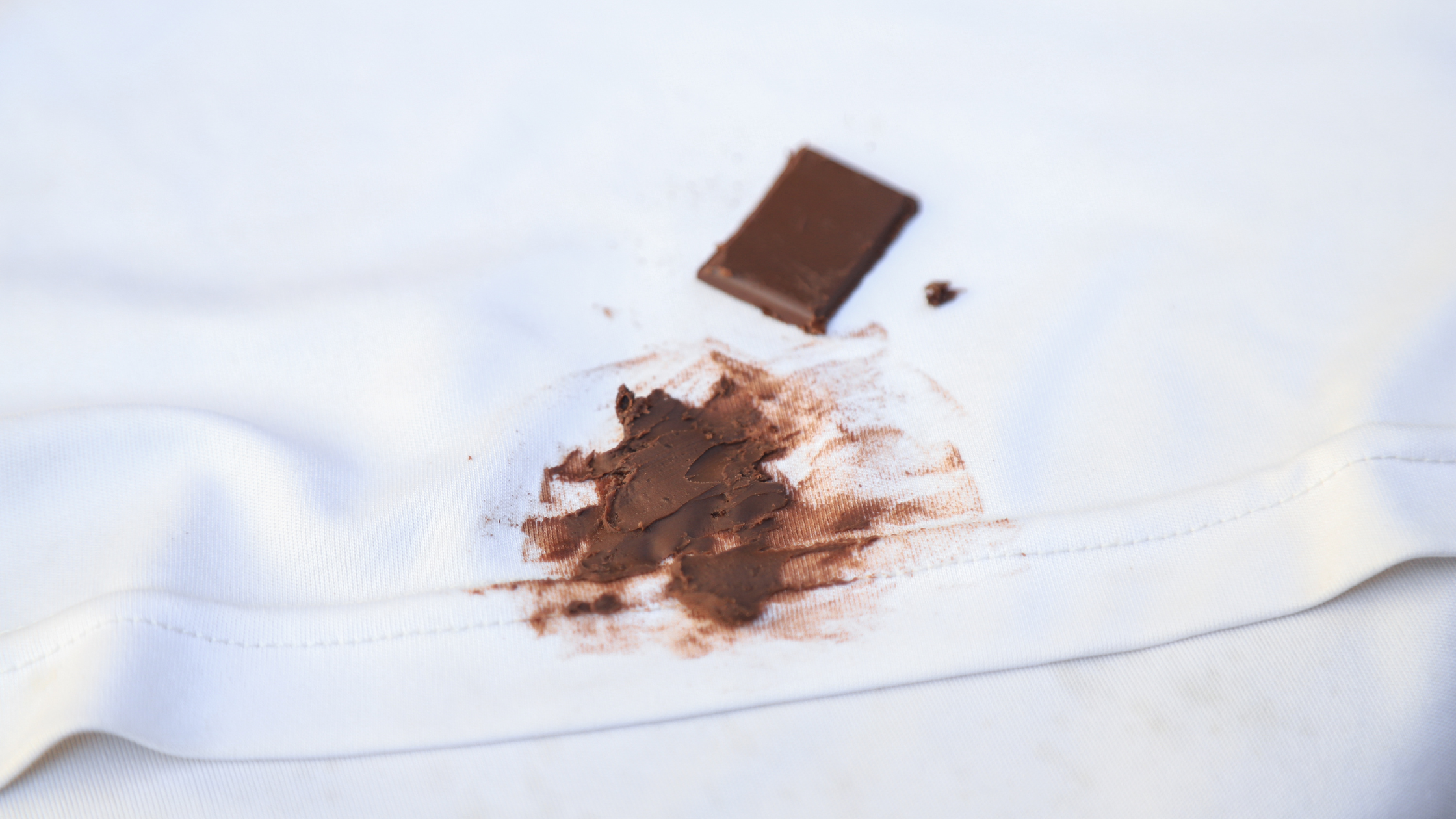
While ammonia can help lift stains like sweat or food, it is a harsh chemical that can weaken fabrics over time and pose a hazard if not used carefully. Natural alternatives like baking soda, vinegar, or specialized stain removers are often just as capable – and much gentler.
5. Refreshing Old Jewlery
Using ammonia to clean jewelry is not uncommon, but it is not always the safest method. It can damage porous stones and leave residues if not rinsed thoroughly. A mild soap and warm water soak is usually enough to refresh most pieces without the risk of chemical damage.
6. Cleaning Bathroom Surfaces
Ammonia is often used in bathroom cleaners to cut through grime, soap scum, and mildew. But in small, poorly ventilated spaces, the fumes can quickly become overwhelming. Many plant-based or vinegar-based cleaners now offer similar results without the health or environmental drawbacks.
How Can Ammonia Impact Me?
Ammonia is known to cause irritation to the eyes, nose, throat and respiratory tract. Ammonia exposure can come from inhaling or touching ammonia. It is very easy to come into contact with ammonia when you are using it to clean your surfaces. If you touch your eyes or spill the cleaner or inhale the cleaner in a closed room, you are at risk for irritations. If ammonia is ingested, it can cause more serious harm. Swallowing ammonia can cause burns inside the mouth and throat. Exposure to high concentrations of ammonia can cause burns, so when you are cleaning with ammonia you have to be especially careful.
Safety Tips For Cleaning With Ammonia
If you choose to clean with ammonia, it is recommended that you only clean in a well-ventilated area to reduce the risk of you inhaling concentrated amounts of the chemical. You should also be careful to avoid touching your skin, eyes or mouth while you are cleaning, so that you don’t further irritate your eyes or accidentally ingest some of the chemical. When cleaning with ammonia you have to be very careful not to cross-contaminate your ammonia solutions with other cleaning solutions. Chemical reactions between ammonia and other chemicals can cause the chemicals to form toxic gasses. For example, if ammonia is mixed with chlorine bleach it will create toxic chloramine vapor.
Environmental Impacts of Ammonia
Ammonia does not just cause negative effects to human health. It can be toxic to our environment as well. When cleaning solutions containing ammonia are washed down the drain, they can find their way into our waterways. Ammonia can be very toxic to our aquatic life, so we should avoid washing it down the drain whenever possible. When Ammonia gas is released into the air, it can also cause harm to our environment. Gaseous ammonia can pollute our air and harm vegetation.
Ammonia Alternatives: Dilute's Ammonia-Free Products
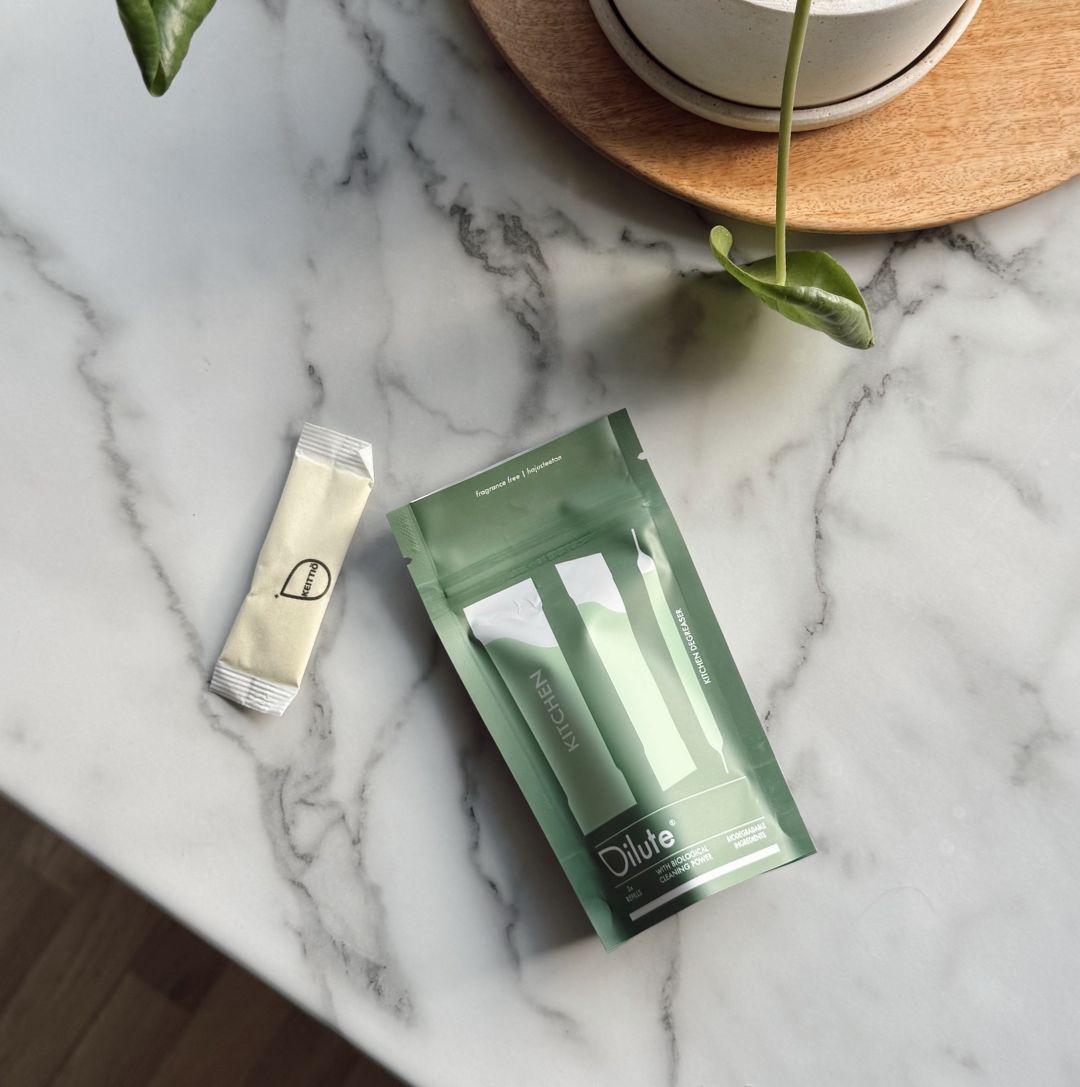
Dilute cleaning products are based on biotechnology and ecotechnology. We use enzymes and beneficial microbes in our products to help break down dirt, grease and odor-causing residues. In line with ecotechnology, traditional strong cleaning chemicals are replaced with natural, renewable and biodegradable raw materials that clean effectively but have a lower environmental impact.
Our products are ammonia-free, vegan and cruelty-free, and are designed to reduce both the chemical load and the need for single-use plastic.

Clean Smarter With Dilute
Ammonia has proven to be a versatile cleaning agent for a wide variety of household tasks. However, its strong fumes and potential environmental impact make it important to use it carefully. By choosing natural and safer alternatives when possible, you can achieve a similar level of cleanliness without compromising your health or the environment. Choose Dilute’s eco-friendly cleaning products for a safer, sustainable approach to keeping your home fresh and sparkling.
Sources:
- Centers for Disease Control and Prevention. Ammonia.
- Chemical Safety Facts. Ammonia.
- Minnesota Department of Agriculture. Ecological Effects of Ammonia.


Share:
EU pakkaus- ja pakkausjäteasetus muuttaa tuotteiden suunnittelua
Tämä yksi taitos säästää sinulta puolet mikrokuituliinoista ja parantaa siivouksen laatua