




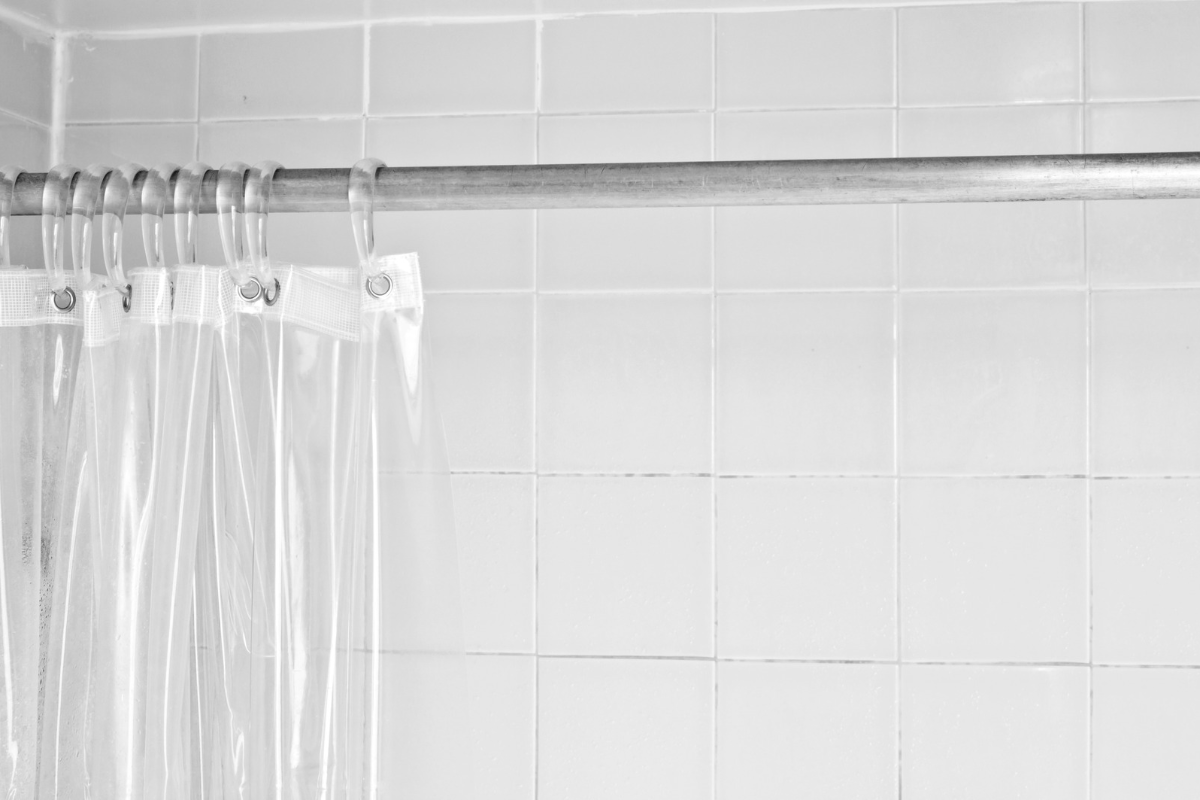
Your shower curtain is one of those bathroom essentials that’s surprisingly easy to forget about when cleaning. You've scrubbed the bathroom, the shower screens are sparkling, and everything looks spotless… until you notice those suspicious little black spots along the bottom of your shower curtain. 🫠
Sound familiar?
Shower curtains are often overlooked during our regular bathroom cleaning routines. And because they're constantly exposed to water, humidity, and soap residue, they can quickly become the perfect breeding ground for mold.
But here's the good news! Cleaning your shower curtain doesn't have to turn into a full-blown bathroom cleaning mission. With the right cleaning methods and a few simple everyday habits, you can help prevent mold from forming and keep your shower curtain cleaner for longer.
Why Does Mold Grow on Shower Curtains?
Let's start with why mold appears on shower curtains in the first place.
Bathrooms are naturally one of the most humid rooms in the house. Every hot shower increases moisture in the air, and when that moisture has nowhere to escape, surfaces can stay damp for hours.
And guess what tends to stay wet after every shower? Yep, your shower curtain.
The bottom edge of your shower curtain is particularly vulnerable because it's where water, shampoo, conditioner, and body wash residue tend to collect. When moisture and organic residue build up together, they create the ideal conditions for mold to grow.
And it certainly doesn't help when your shower curtain is left scrunched up in the corner after every shower.
The key isn't just removing the mold that's already there. It's also about preventing the conditions that allow it to grow back.
How to Remove Mold From a Shower Curtain
If your shower curtain is machine washable, throwing it in the washing machine can be one of the easiest ways to remove built-up soap residue, dirt, and mild surface mold.
Before you get started, though, make sure to check the care label. Not all shower curtain materials can handle the same washing methods.

How to Wash a Shower Curtain in the Washing Machine
- Remove the shower curtain from the rod and take off any hooks or rings.
- Place the curtain in the washing machine and select a cycle and temperature suitable for the material, following the care label.
- Add the recommended amount of laundry detergent. You can also throw in a couple of towels if the care instructions allow it. These help create gentle friction during the wash, loosening dirt and soap residue.
- Once the cycle is finished, hang the curtain back up or somewhere with good ventilation.
- Allow the curtain to dry completely before using it again.
And here's the one step you really don't want to skip: drying.
If your shower curtain stays damp for long periods, mold can start growing again, even after you've just washed it.
If visible mold or a musty smell remains after washing, replacing the curtain may be a better option than putting it through another wash cycle.
What If Your Shower Curtain Isn't Machine Washable?
Don't panic! Not all shower curtains can go in the washing machine, but that doesn't mean they can't be cleaned.
If you've got a plastic shower curtain or the dirt is limited to a small area, hand cleaning can be a practical alternative.
Dampen a soft cloth or sponge with water and a cleaning solution suitable for the material. Gently wipe down the affected area, then rinse thoroughly with clean water.
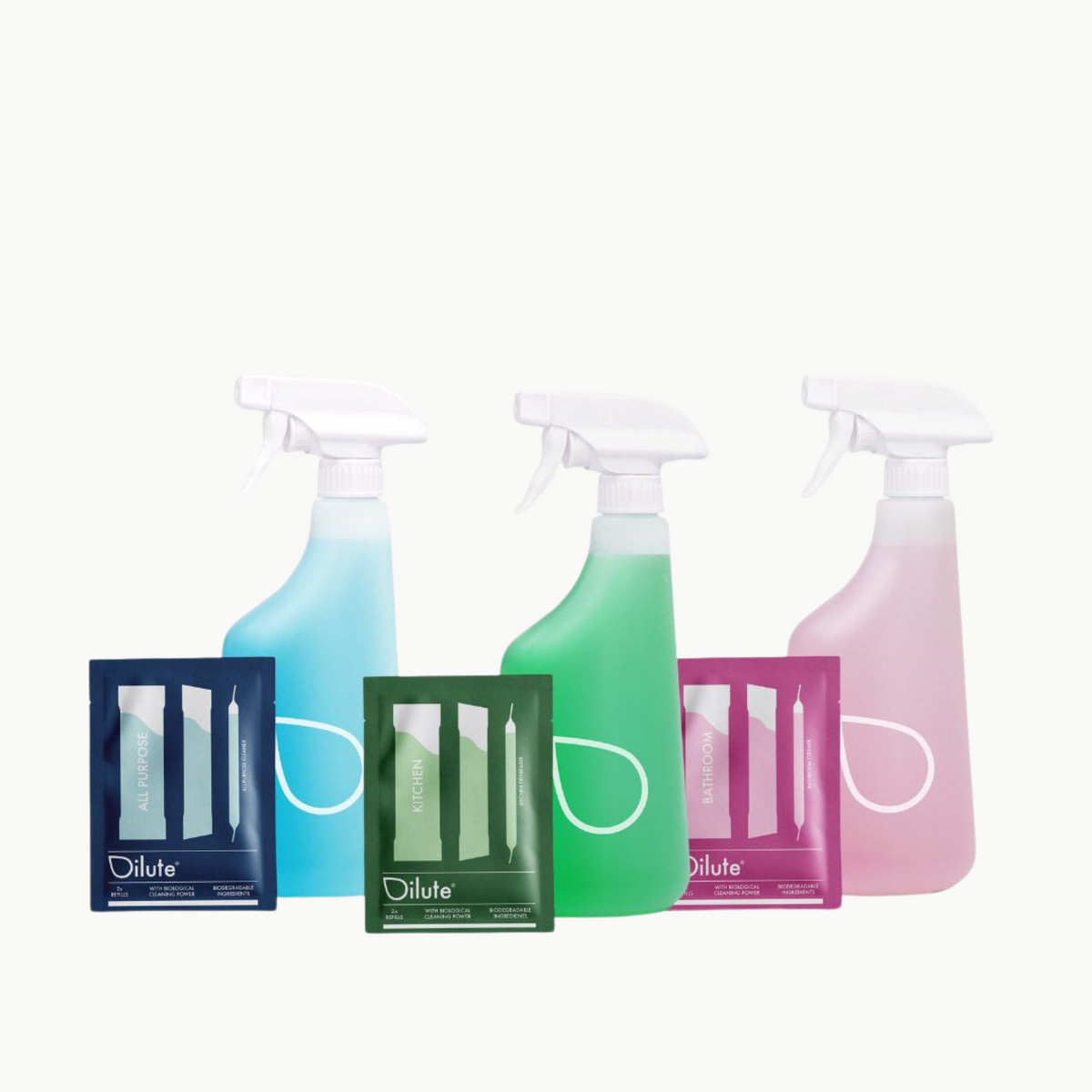
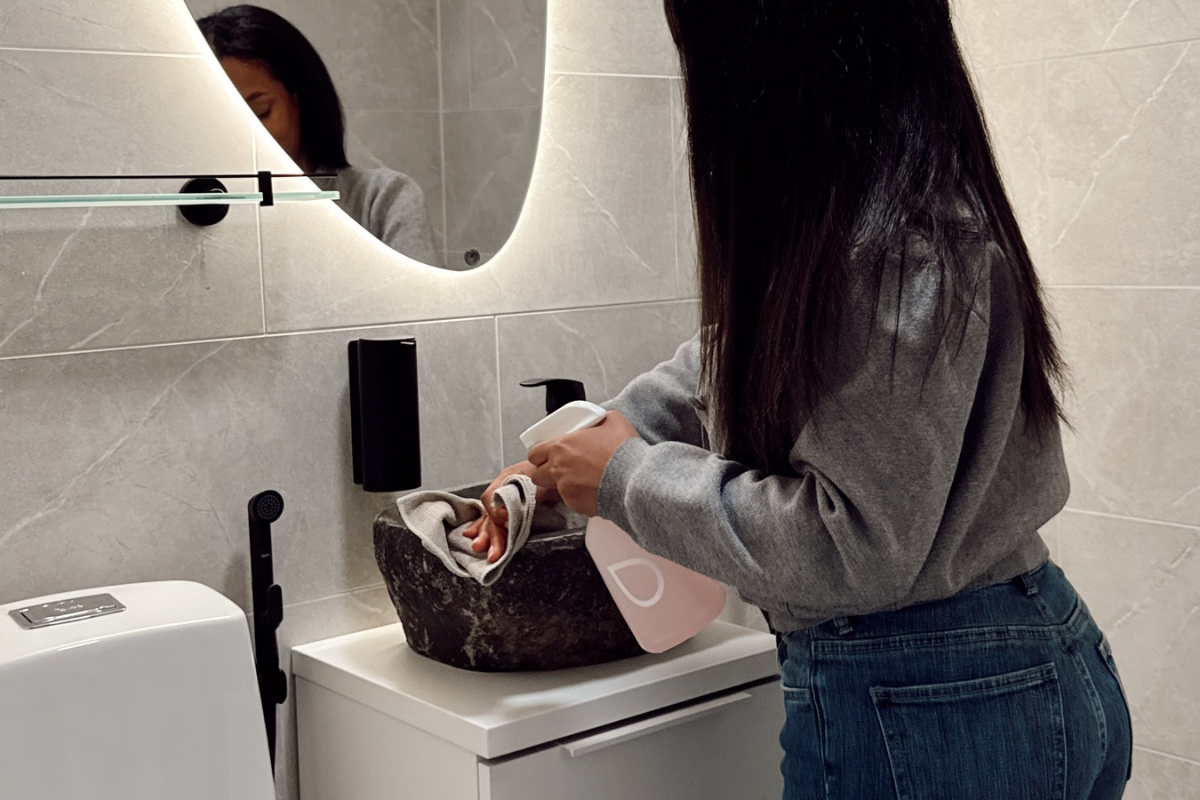
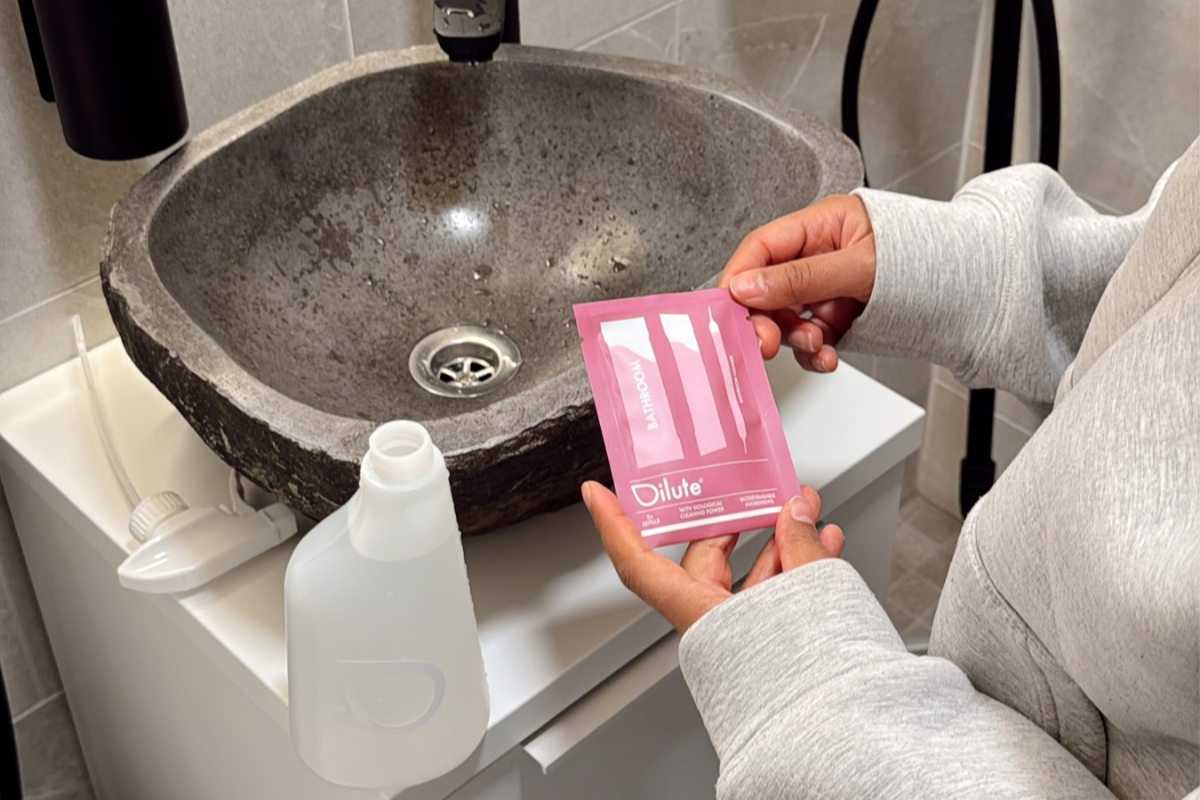
While you're at it, it's worth giving the surrounding shower walls, bathtub, and fixtures a regular wipe-down too. Over time, these surfaces collect soap scum, limescale, and everyday grime. A bathroom cleaner designed for hard surfaces, like Dilute's Bathroom Cleaner, can help remove this buildup as part of your regular bathroom cleaning routine.
Just remember that an everyday bathroom cleaner isn't a dedicated mold remover. If your shower curtain has visible mold, it should be treated using a method suitable for the material or replaced if necessary.
Keeping the surrounding surfaces clean and allowing the shower area to dry between uses can help maintain a fresher bathroom overall.
Make sure to let your shower curtain dry completely before hanging it back up for use.
A little heads-up: If mold has penetrated deep into the material, washing may not be enough to remove it completely. In that case, it's best to replace the curtain.
How to Prevent Mold on Shower Curtains
Now that your shower curtain is clean, it would be pretty nice not to have to repeat the whole process again in a couple of weeks, right?
And this might just be the most important part of this entire article.
Because preventing mold is a whole lot easier than constantly trying to remove it.
1. Spread Out Your Shower Curtain After Every Shower
This is probably one of the easiest ways to help prevent mold from forming.
When your shower curtain is left bunched up, moisture gets trapped between the folds, making it much harder for the material to dry properly.

So, after every shower, spread the curtain out as much as possible and make sure the bottom edge isn't sitting on a wet floor.
This allows air to circulate more freely and helps moisture evaporate faster.
2. Keep Your Bathroom Well Ventilated
If your bathroom is constantly humid, drying your shower curtain alone won't solve the problem.
Proper ventilation helps remove excess moisture from the air and allows surfaces to dry more quickly.
If your bathroom has an extractor fan, run it during and after your shower. Opening a window can also help, if you have one.
3. Don't Forget Your Shower Curtain When Cleaning the Bathroom
Let's be honest, your shower curtain probably isn't the first thing that comes to mind when you're cleaning the bathroom. But it definitely shouldn't be the last.
Regularly washing or wiping down your shower curtain helps remove soap residue and everyday grime before they have a chance to build up. And the less buildup there is, the easier your shower curtain will be to keep clean.
When Should You Replace Your Shower Curtain?
Even with regular cleaning, your shower curtain unfortunately isn't going to last forever. Over time, the material can wear out, become discolored, or start collecting grime that's difficult to remove completely.
If mold spots remain after washing, the curtain still smells musty, or the material is showing signs of damage, it's probably time for a replacement. But that doesn't mean you need to buy a new shower curtain every few months.
With proper care, you can significantly extend its lifespan. And at the end of the day, preventing shower curtain mold comes down to a few pretty simple habits: rinse away soap residue when needed, spread the curtain out to dry after every shower, and give it a proper wash regularly.


Share:
How Often Should You Clean The Bathroom?
Match the Dilute® Cleaner to Your Cleaning Problem 🫧