


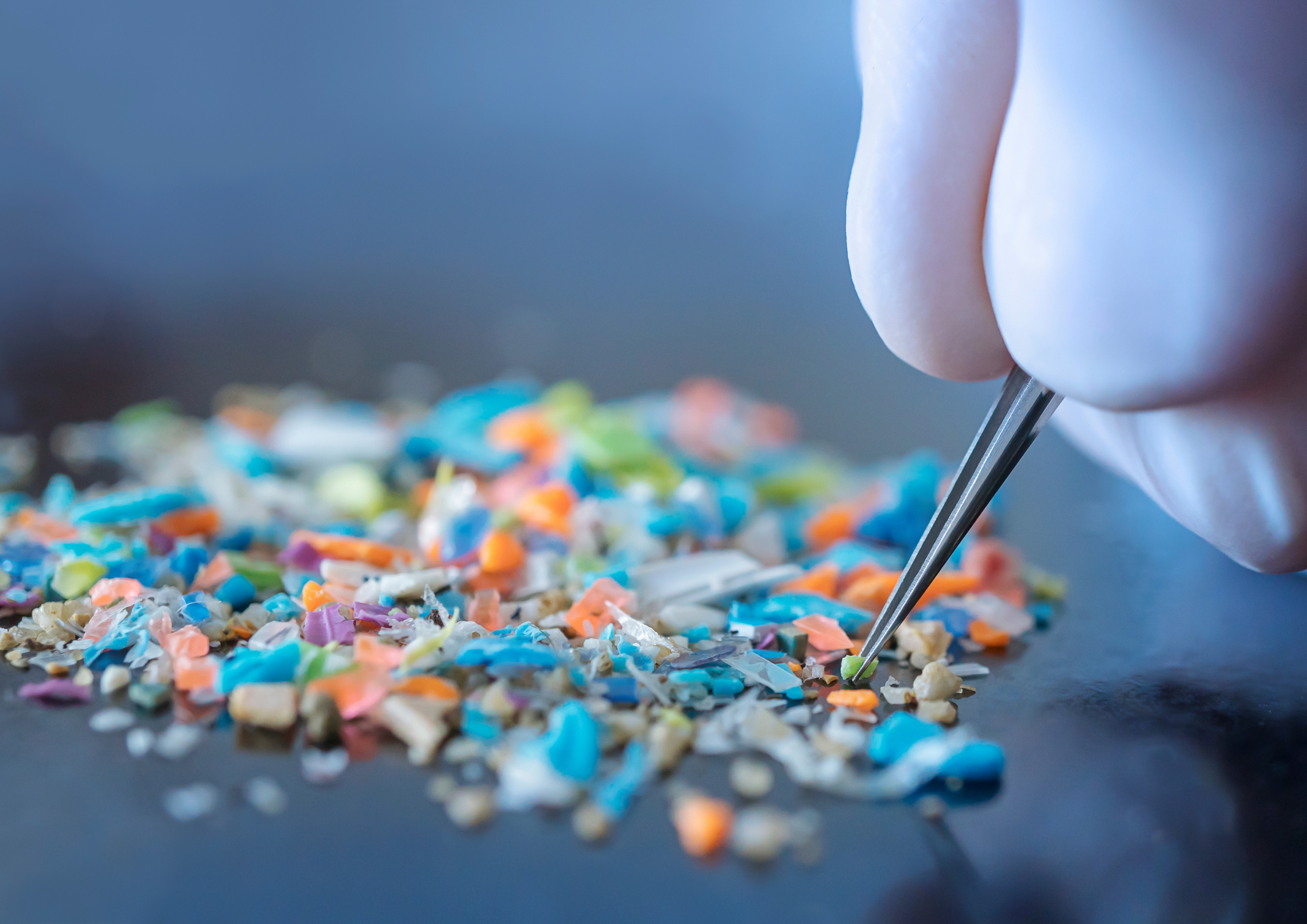

Microplastics have become an urgent public health concern. Researchers have detected microplastics in human tissues and organs, raising serious questions about their potential impact on human health. Recent studies highlight the growing need to understand how microplastic exposure affects our bodies, especially as these tiny particles are increasingly found in the food we eat, the water we drink, and even the air we breathe. As microplastics become more embedded in daily life, it’s critical to explore their long-term effects on human well-being.
What Are Microplastics?
Microplastics are exactly what they sound like: tiny fragments of plastic less than five millimeters in size. When plastic isn’t properly recycled, it often ends up in landfills or gets dumped into the ocean. An estimated 14 billion pounds of trash, much of it plastic, enters the ocean each year. Over time, this plastic breaks down into smaller pieces. But because plastic isn't biodegradable, it never fully disappears. Instead, it breaks apart into microplastics. And while they may be small, microplastics can lead to serious environmental and health problems.
Recent Research on Microplastics in the Human Body
A growing number of studies have revealed the presence of microplastics in various parts of the human body, raising serious concerns about potential health effects.
- Detected in human organs: Microplastics were found in brain and gastrointestinal tissues, showing they can cross biological barriers like the blood-brain barrier (University of New Mexico, 2024).
- Presence in breast milk: Italian researchers detected microplastics in breast milk, raising concerns about infant exposure (Ragusa et al., Polymers, 2022).
- Found in human blood: A Dutch study identified microplastics in human blood, suggesting constant internal exposure via food, drink, and air (Leslie et al., Environment International, 2022).
- In lungs and placenta: Microplastics have been found in lung tissue and placentas, indicating both inhalation and potential fetal exposure (Jenner et al., 2023; Ragusa et al., 2021).
- Linked to oxidative stress and inflammation: Lab studies show microplastics can cause oxidative stress, damage cells, and may increase the risk of heart, metabolic, or neurological diseases (Prata et al., 2020).
How Do Microplastics Enter the Human Body?
Microplastics can enter the body through three main pathways: inhalation, ingestion, and skin contact.
Inhalation of Airborne Microplastics
Plastic fibers from textiles, household dust, and industrial pollution can become airborne. When inhaled, these particles may reach deep into the lungs and contribute to inflammation or respiratory problems. Indoor environments often have higher concentrations due to synthetic materials and poor ventilation.
Ingestion Through Food and Water
Microplastics have been detected in fruits, vegetables, seafood, and both bottled and tap water. Common sources include:
- Leaching from plastic water bottles (e.g., polyethylene, PET)
- Plastic contamination in seafood through bioaccumulation
- Migration from plastic food packaging and microwaving in plastic containers
- Repeated ingestion can lead to microplastic buildup in the gastrointestinal tract, which may disrupt gut health and digestion.
Dermal (Skin) Contact
Though less studied, there is emerging concern around microplastics entering the body through skin contact. Everyday use of plastic containers and cosmetics may expose skin to particles and chemical additives like BPA. Some evidence suggests these substances could cause oxidative stress or disrupt hormonal balance if absorbed.
How to Reduce Microplastic Exposure
You can lower your exposure to microplastics by making a few simple swaps. Start by cutting back on single-use plastics like bottles, bags, and takeout containers. Instead, try:
- A reusable stainless steel water bottle
- Cloth shopping bags
- Your own utensils for takeout
- Avoid heating food in plastic, even if it's microwave-safe. Use glass or ceramic instead to prevent microplastic leaching. And when possible, choose filtered tap water over bottled, which often contains even more microplastics.
- Lastly, opt for clothing and textiles made from natural fibers like cotton or wool to reduce microplastic shedding in the wash.
The growing body of research linking microplastics to potential health risks makes it clear: this is more than just an environmental issue—it’s a human one. While scientists continue to study the long-term effects of microplastic exposure, we don’t have to wait to take action. Simple changes in how we eat, drink, shop, and store food can help reduce our daily contact with plastic particles. By being more mindful of our plastic use, we not only protect our own health but also contribute to a cleaner, safer planet for future generations.
Sources:
- UNM Researchers Find Alarmingly High Levels of Microplastics in Human Brains – and Concentrations are Growing Over Time
- Raman Microspectroscopy Detection and Characterisation of Microplastics in Human Breastmilk
- Plasticenta: First evidence of microplastics in human placenta
- Microplastics and Oxidative Stress—Current Problems and Prospects
- Discovery and quantification of plastic particle pollution in human blood








Share:
What Are Microplastics?
Autumn Cleaning – Tips for a Fresh and Clean Home This Fall